
Today in Japan, there is so much excitement in the news about the country’s first female prime minister—a milestone many have waited a long time to see. This historic moment has sparked important conversations about women in leadership, and it got me thinking about a significant figure from Japan’s early history who shaped the nation in a quieter, yet deeply meaningful way.
Long before the political leaders of today, there was Yamatohime-no-Mikoto, an ancient Japanese princess. Her vision and choices played a vital role in guiding Japan’s spiritual heart, helping to establish traditions that have endured for nearly 2,000 years.
Yamatohime: The Ancient Princess Behind Ise Shrine
About two millennia ago, Yamatohime set out on a long, sacred journey. Her mission was to find a permanent home for Amaterasu-Omikami, the sun goddess and ancestral deity of the imperial line.
She departed from Yamato (present-day Nara) and traveled through regions like Omi (Shiga) and Mino (Gifu) before finally reaching the beautiful land of Ise (Mie). It was there that she enshrined Amaterasu at what we now know as Ise Jingu, Japan’s most sacred shrine. It is because of her journey that Ise became the spiritual center of the nation.
What I find so fascinating is that her path led her through the East Nara and Nabari region. Even today, several small, quiet sites connected to her story remain scattered across this peaceful mountainous landscape.
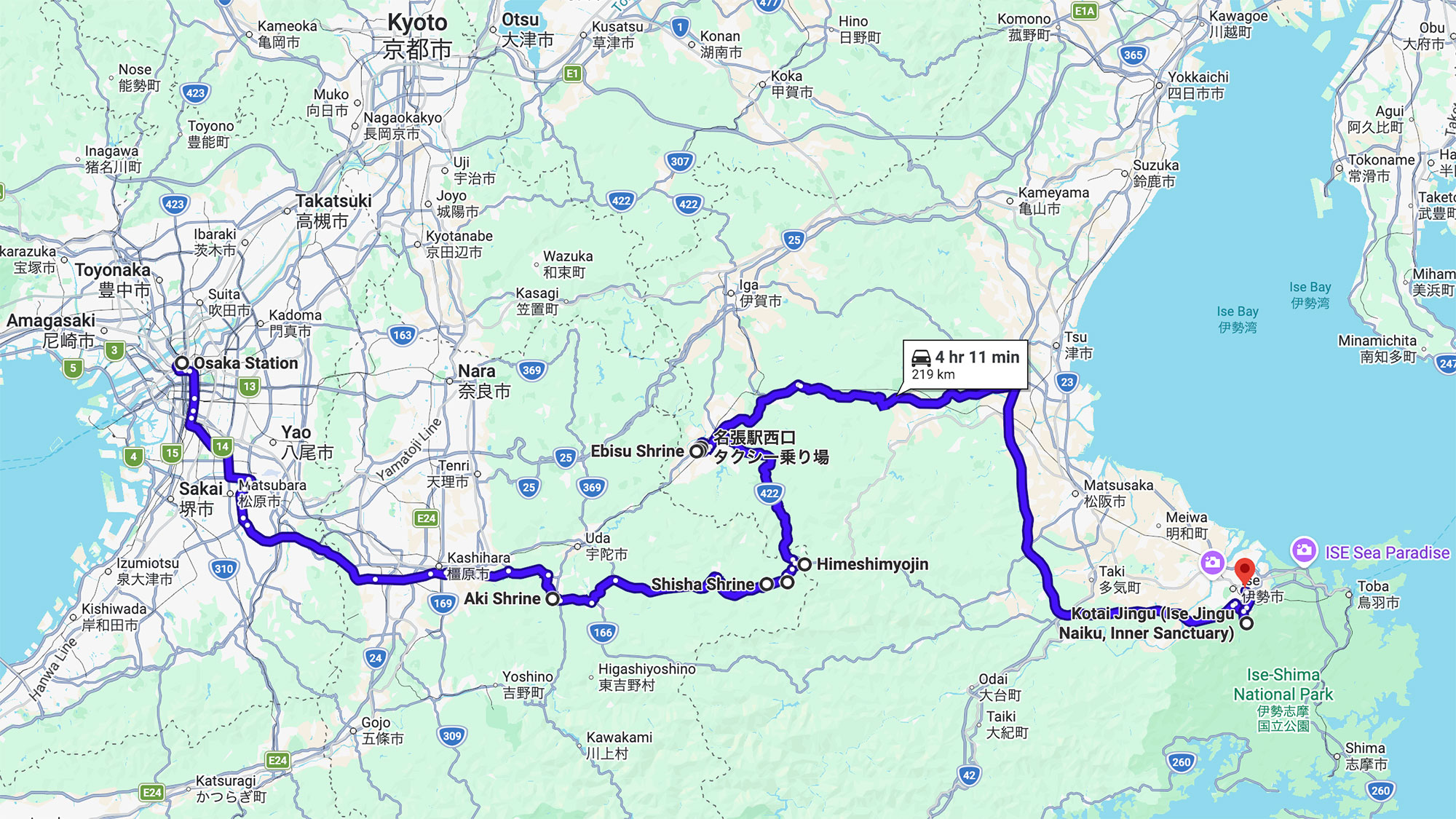
I’ve decided to drive along part of the very route Yamatohime took, visiting these hidden gems as I make my way toward my final destination: Ise.
The Journey Begins: East Nara
Aki Shrine
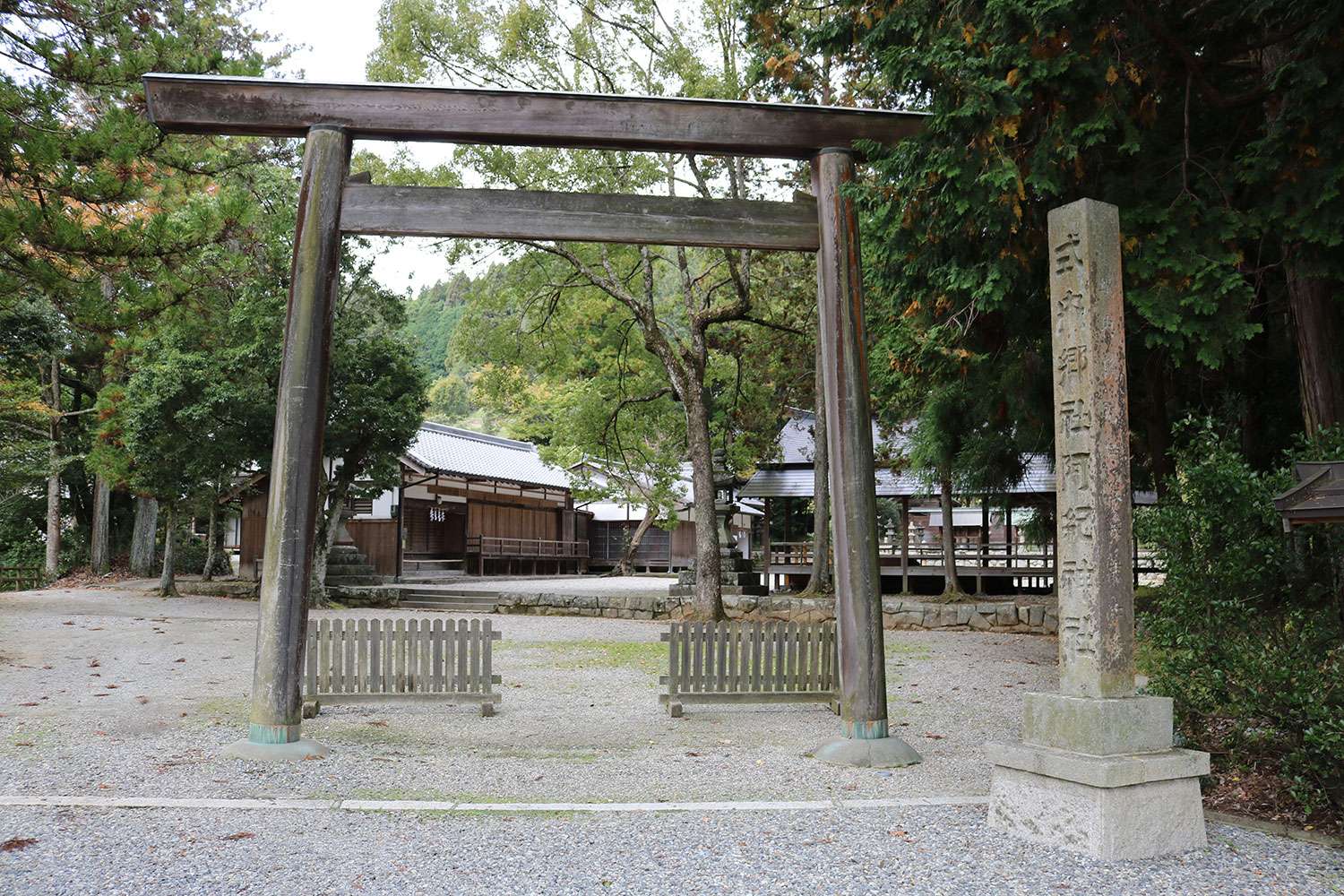
I first headed to Aki Shrine, located in present-day Uda City, Nara Prefecture. This shrine is traditionally regarded as the place where Yamatohime stayed for an extended period during her journey to find the perfect site for Amaterasu. In fact, her devotion here is said to be the very origin of the shrine.
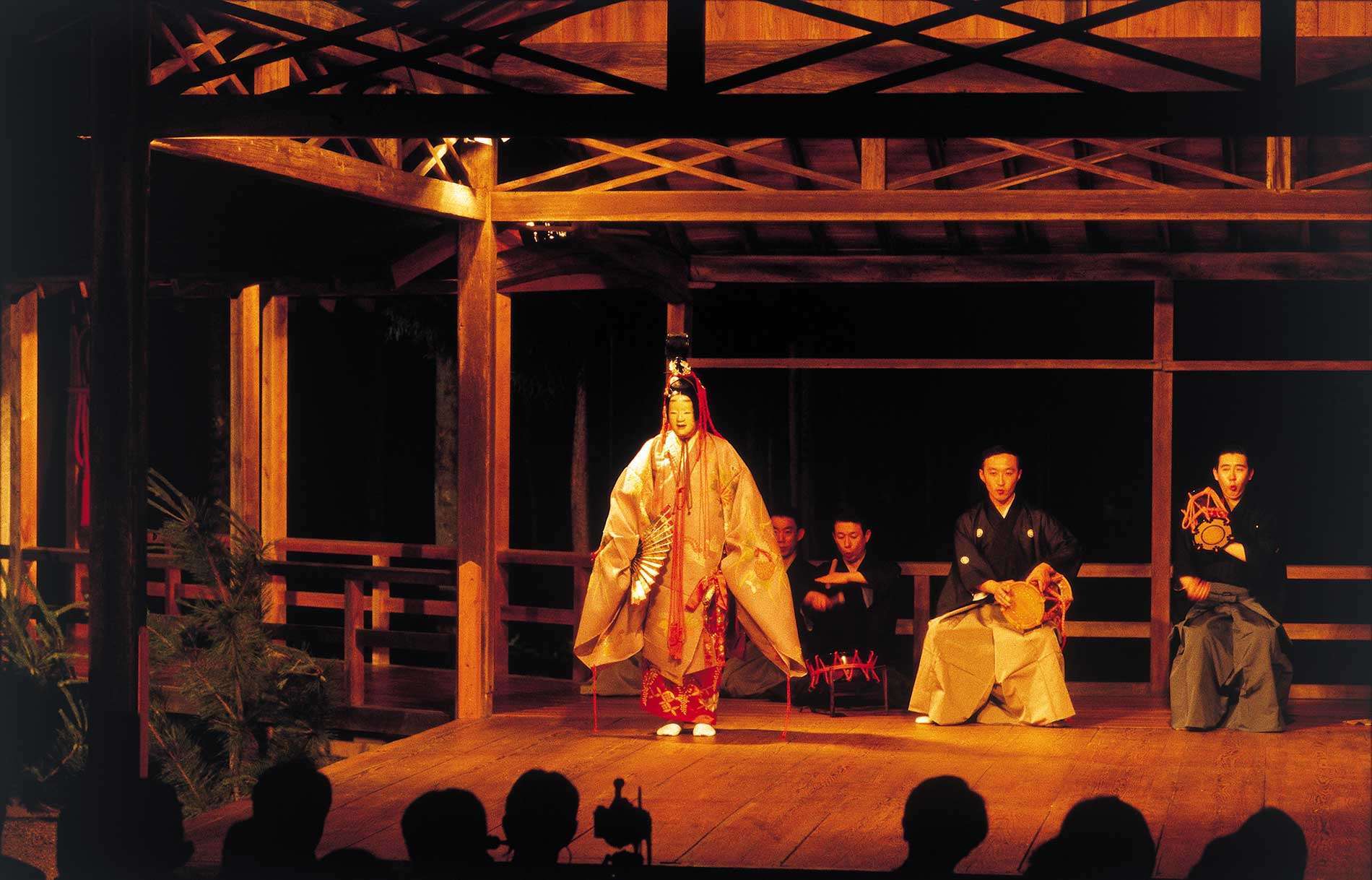
The grounds are beautifully calm, shaded by towering cedar trees, and one of its most distinctive features is the Noh stage. Every June, a special performance called “Aki no Hotaru Noh” is held here, where the play unfolds amid the magical glow of fireflies. Just imagining the scene—a summer evening illuminated by that soft, dancing light—is enough to take my breath away.
Standing here in the quiet, I could easily picture Yamatohime pausing on her journey, surrounded by nature and dreaming of the sacred home she would eventually find for the sun goddess.
Shisha Shrine
Leaving Aki Shrine, I drove further east and entered a peaceful mountain village called Mitsue. This entire area is cherished as a place where Yamatohime passed through on her long journey.
As I left National Route 369 and turned onto a quiet satoyama road, I was greeted by open fields and gentle countryside scenery. I headed toward my first stop in Mitsue Village: Shisha Shrine.
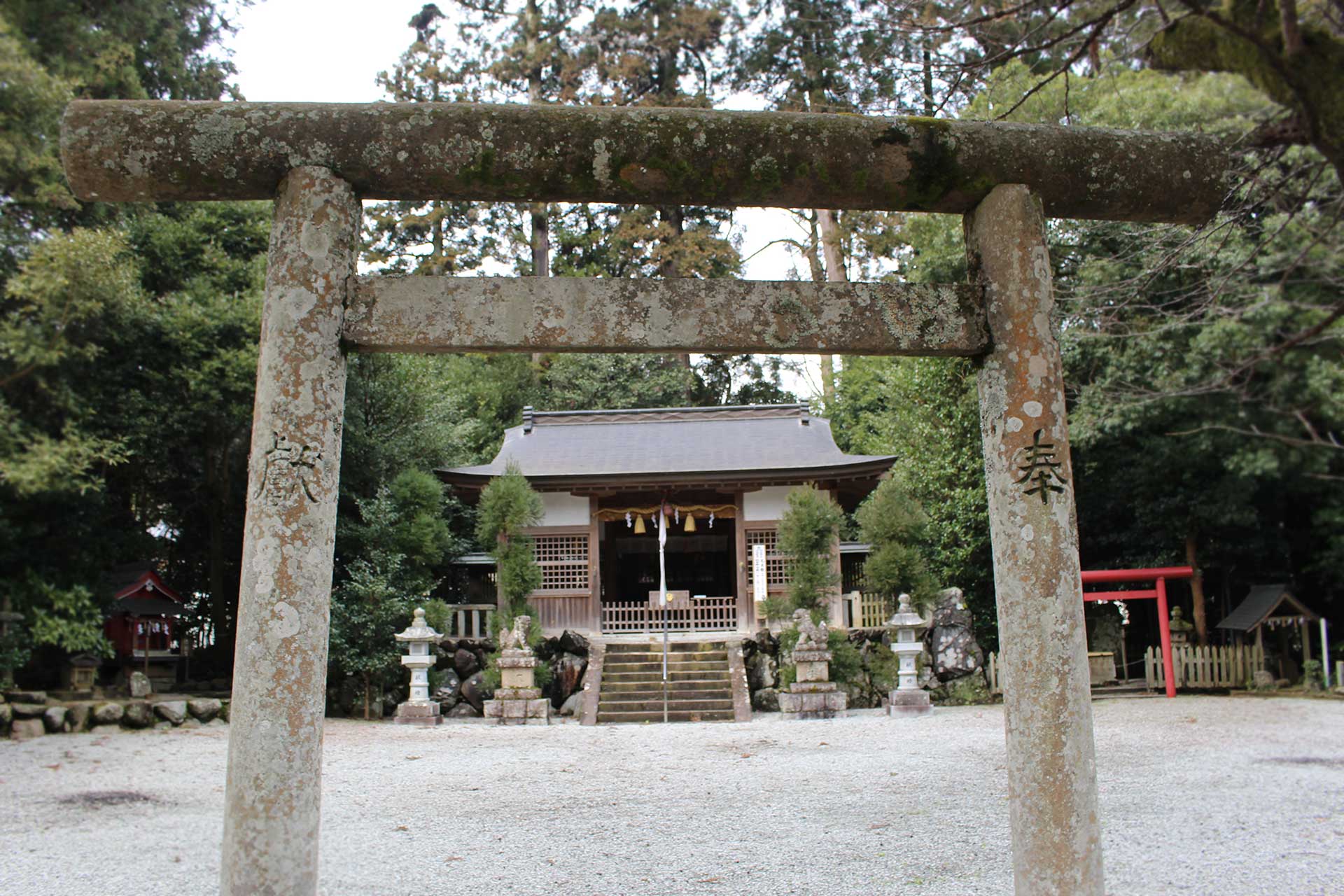
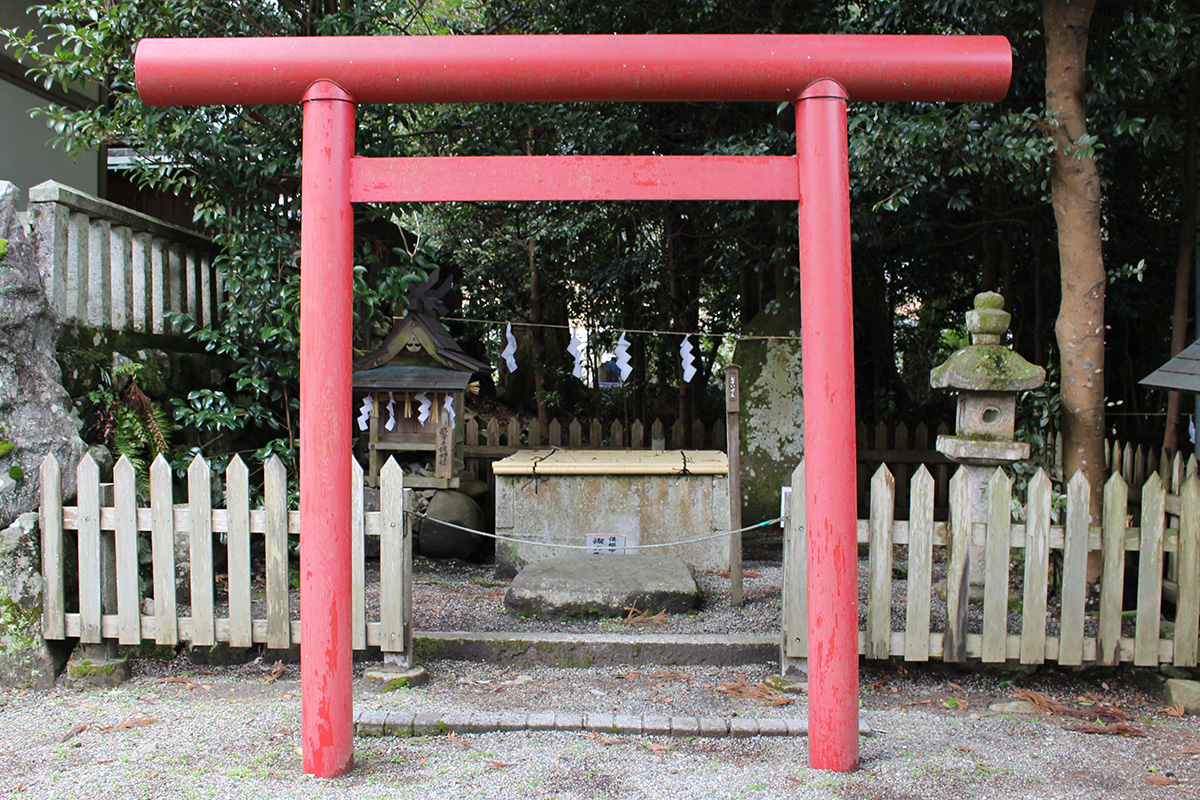
After passing through the torii gate and paying my respects at the quietly dignified shrine, I made my way to a well within the grounds. Legend says this well is closely connected to Yamatohime; she is said to have stopped here to wash her hands and rinse her mouth, refreshing herself during her travels.
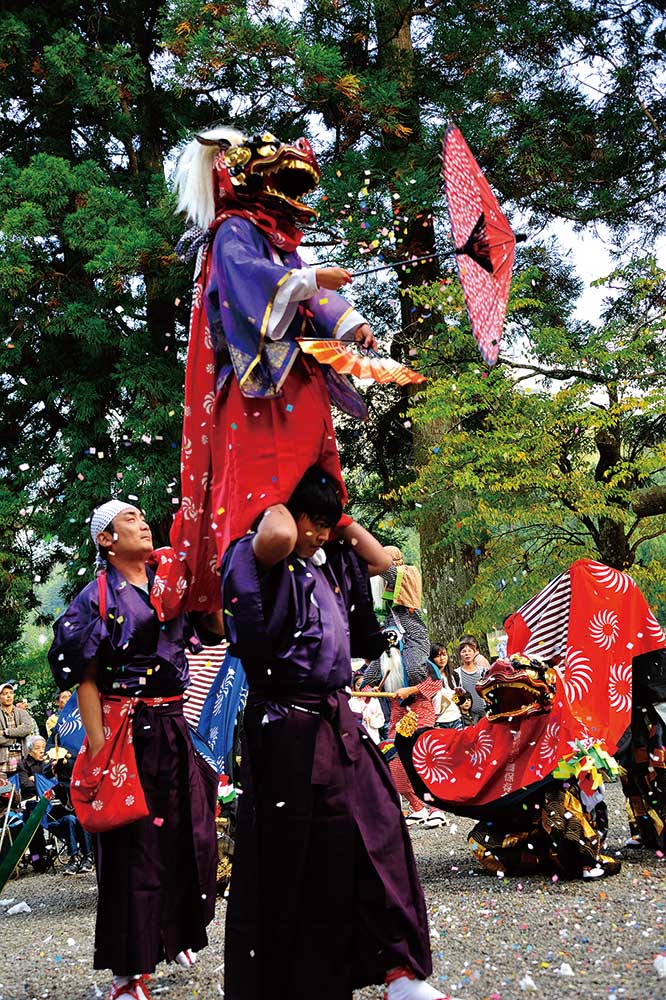
The shrine also holds a special tradition every October. A lion dance associated with the pilgrimage to Ise Shrine is performed, featuring a child dancing while standing on an adult’s shoulders. It’s such an energetic and charming sight, beautifully reflecting the deep, ancient ties between this small village shrine and the great tradition of Ise.
Mitsue Shrine
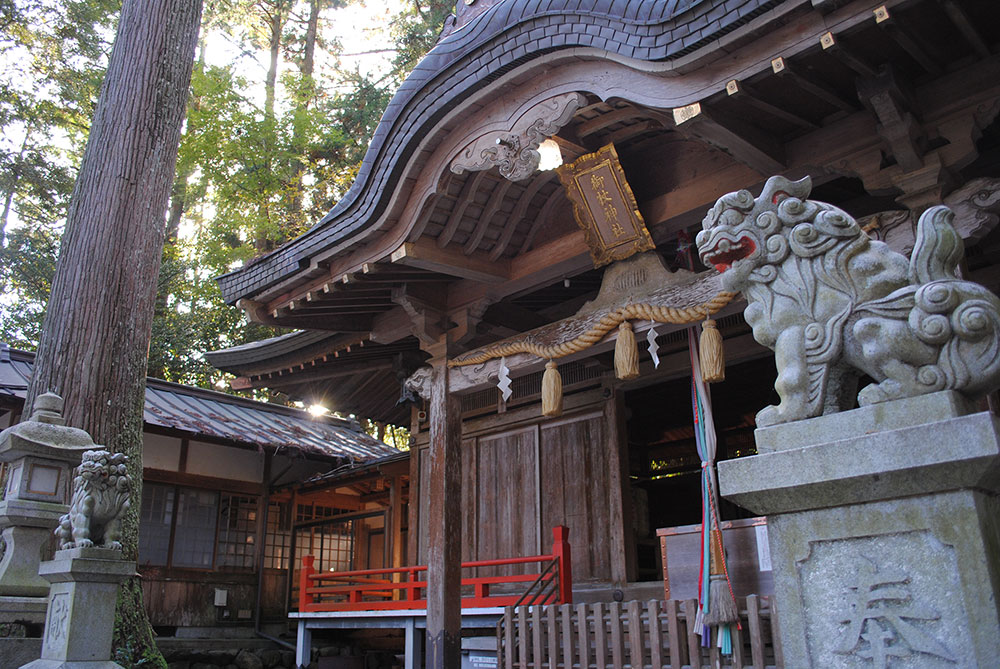
Next, I stopped by Mitsue Shrine. This shrine is truly special because it enshrines Yamatohime’s staff as its sacred object. According to legend, she left her staff here as a sign to mark this beautiful land as a potential site for enshrining Amaterasu.
This very staff became the origin of the village’s name, Mitsue. In Japanese, "Mi" is an honorific prefix, and "tsue" means a staff or wand. I found it so charming that even the village’s mascot carries a magical wand—a playful little nod to this ancient origin story!
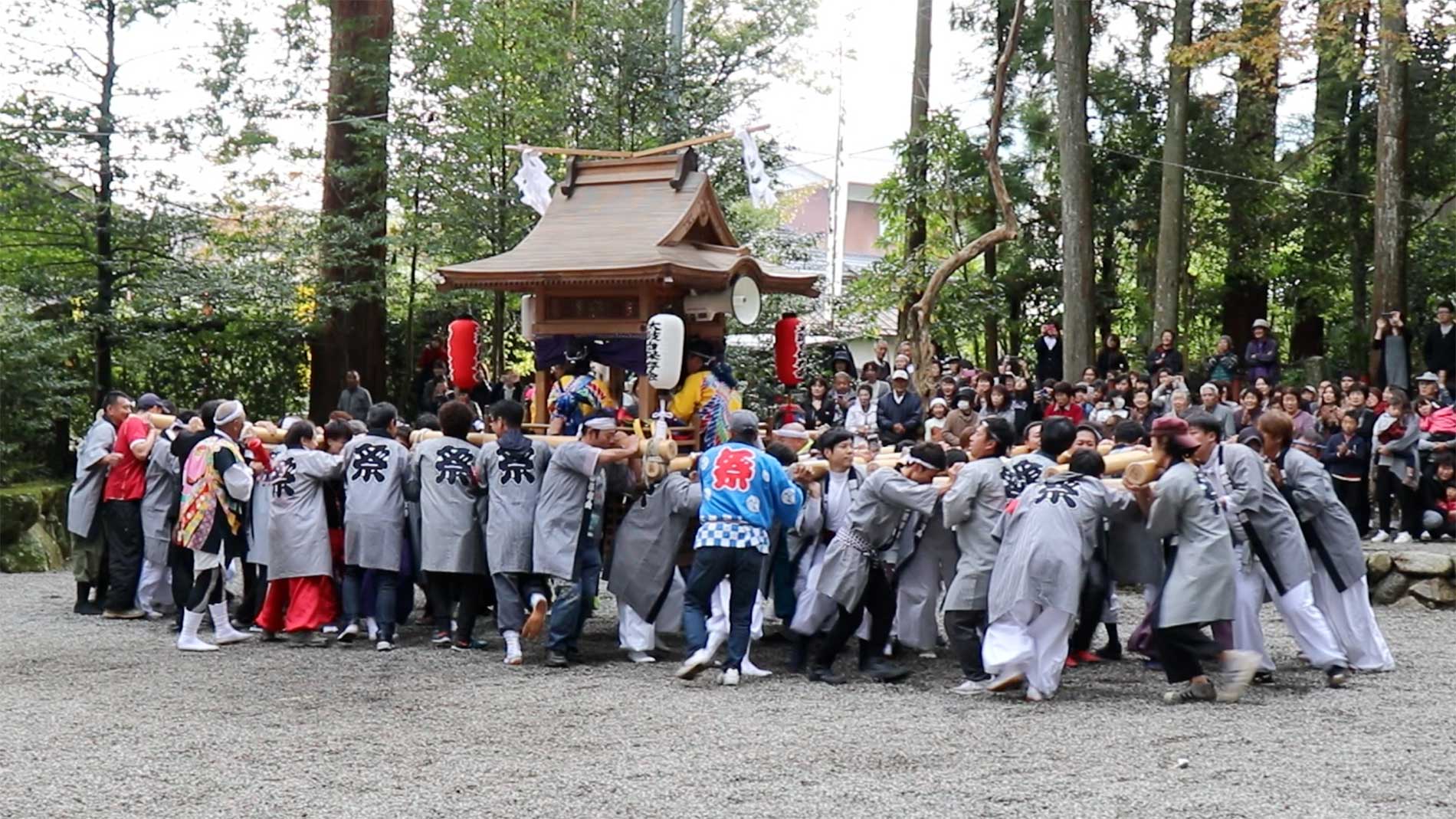
While the shrine usually stands in the peaceful silence of the satoyama countryside, it completely transforms in early November for its annual autumn festival.
On this day, the grounds are filled with incredible energy. I could imagine the air charging with excitement as local men parade through the shrine, their voices echoing as they carry and dedicate a massive festival float known as a taikodai. It’s such a striking contrast to the usual calm, offering a vibrant glimpse into the heart and spirit of this community.
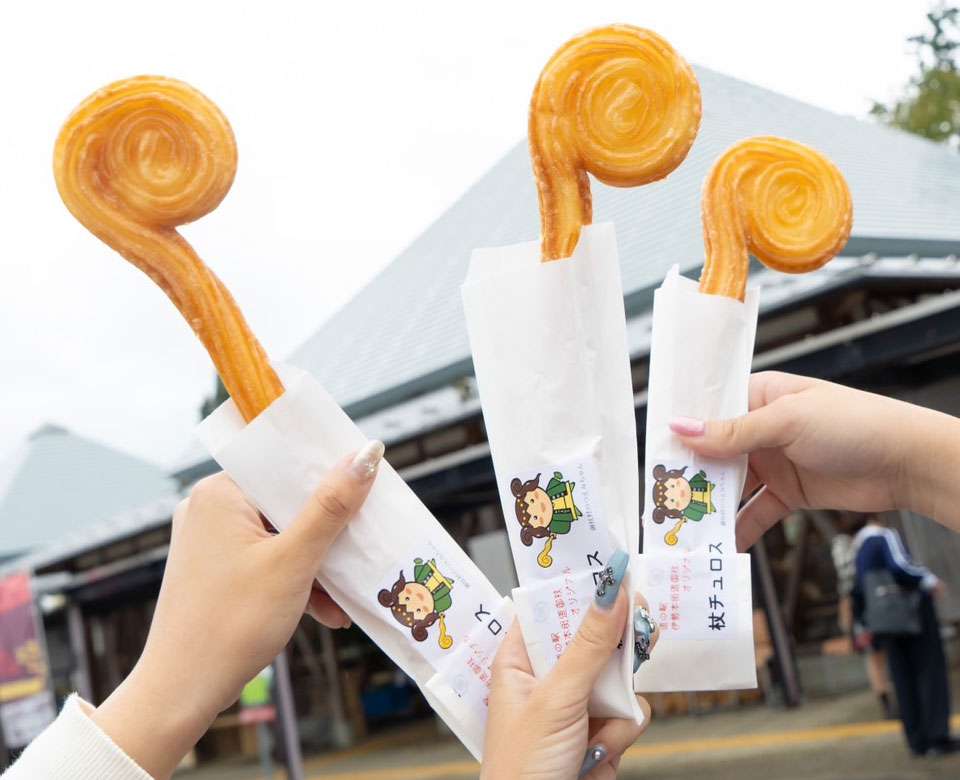
Himeshi Myojin
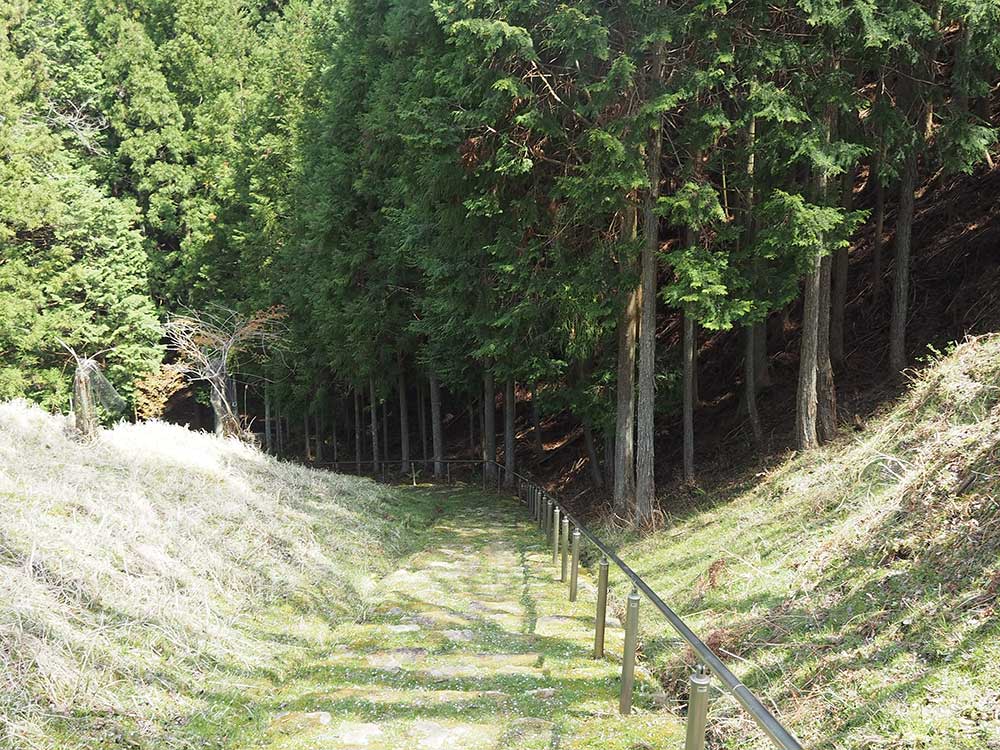
Just a few minutes’ drive from Mitsue Shrine, I came across a small, off-the-radar spot with a truly unique spiritual vibe: Himeshi Myojin.
The shrine is nestled beside Maruyama Park, a place famous for its mountain cherry blossoms in spring and dancing fireflies in summer. As I descended a short, stepped path beside a small, rounded hill, the atmosphere suddenly shifted. Tucked deep in the forest, the air felt taut, cool, and incredibly still.
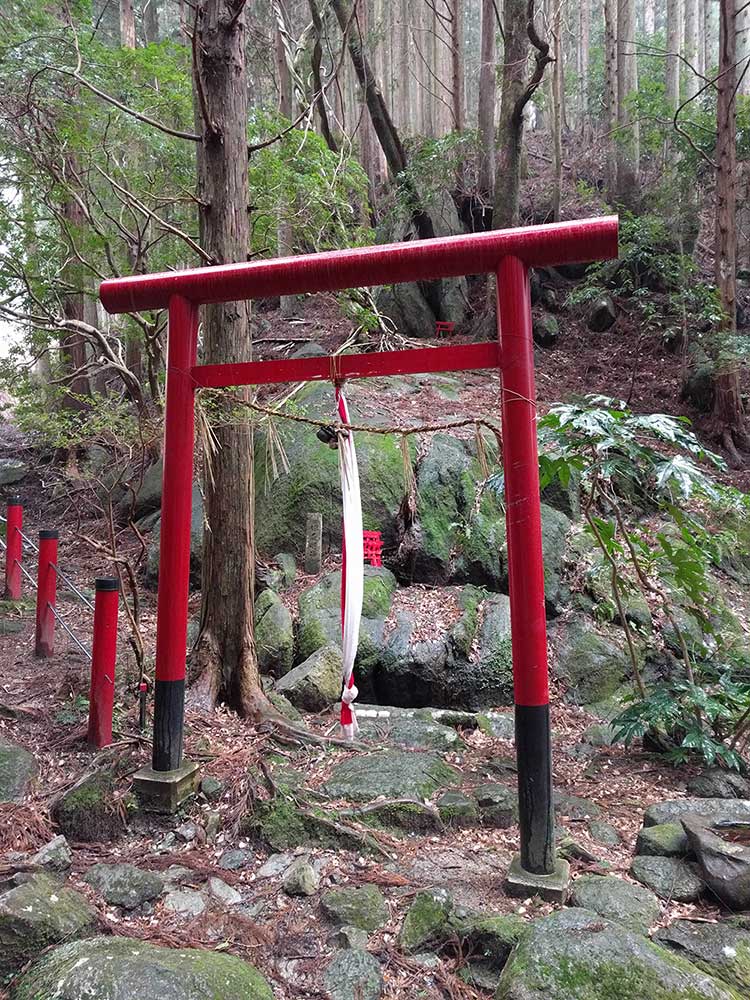
Stepping further into the shadows, I found a simple red torii gate and a large, moss-covered rock. Because this rock is said to resemble a woman’s hips, local legend holds that Yamatohime offered prayers here, wishing for relief from women’s illnesses.
Standing there in the silence, I couldn’t help but feel a sudden connection to the past. It touched my heart to think that women in ancient times—even a princess like Yamatohime—worried about their bodies and health in much the same way we do today.
Into Mie: Exploring Nabari in Iga Province
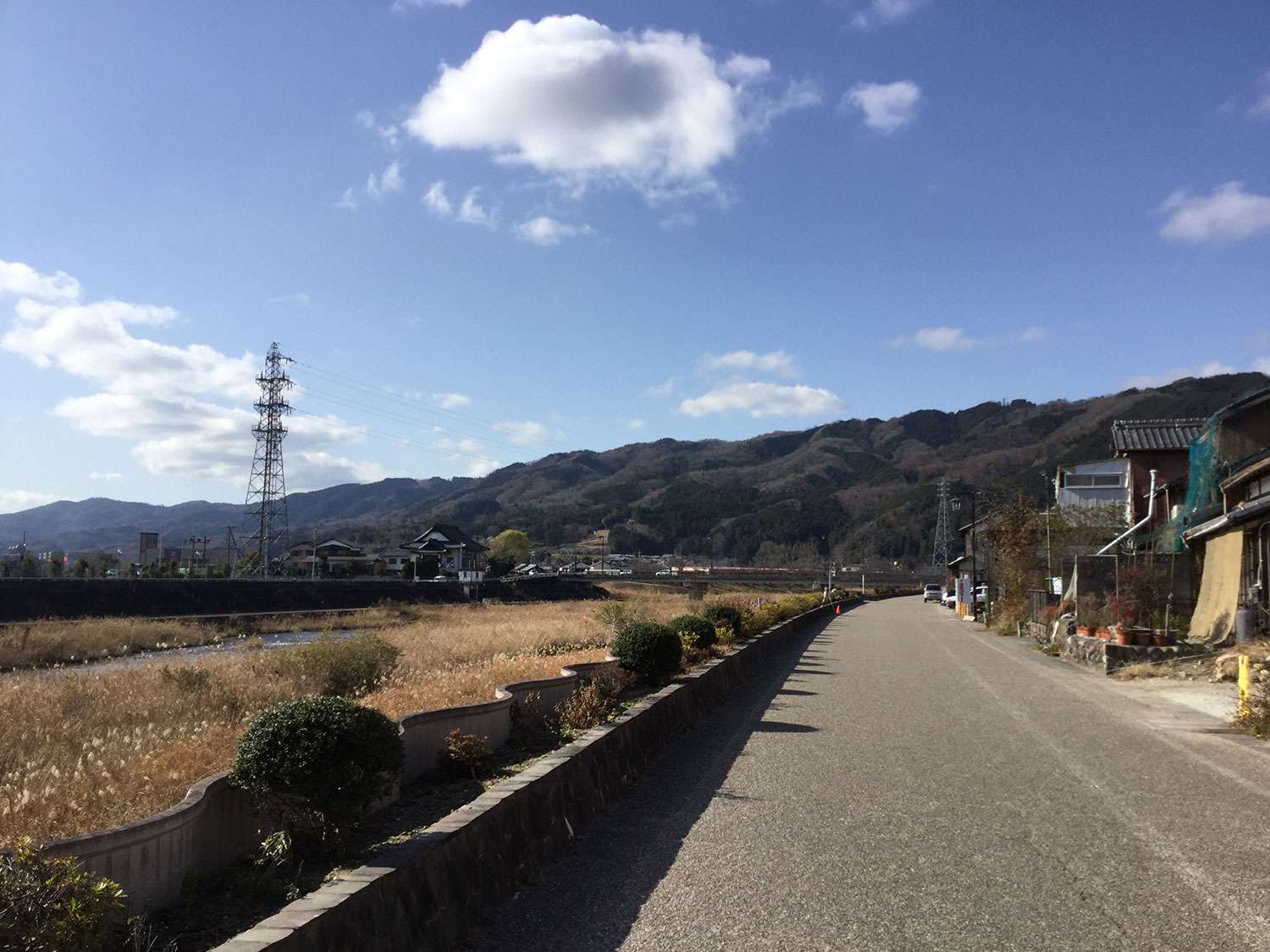
Just like Yamatohime, who crossed the mountains to reach the land of ninja heritage, I left Nara and drove north toward Nabari, a part of the Iga region.
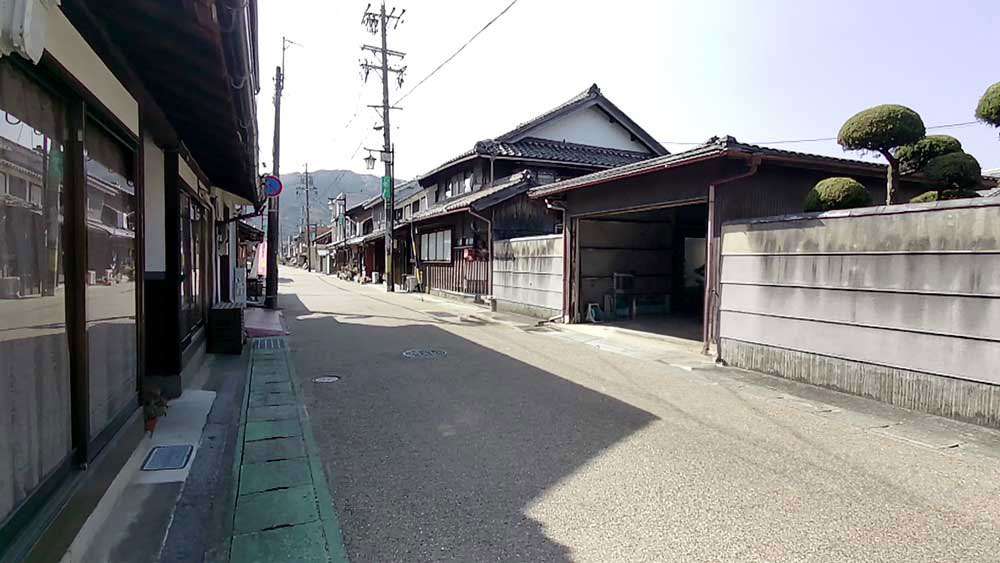
As I entered the Nabari city center, the traffic began to pick up. I parked my car at a coin-operated lot in front of Nabari Station (west side)—a major hub for East Nara Nabari—and took a 6-to-7-minute stroll through the Old Town as I made my way to the next destination. This area on the west side of the station once flourished as a post town along one of the main pilgrimage routes between Nara and Ise. Today, it features retro streets dotted with quaint shops and cozy cafes.
Urufushine Shrine
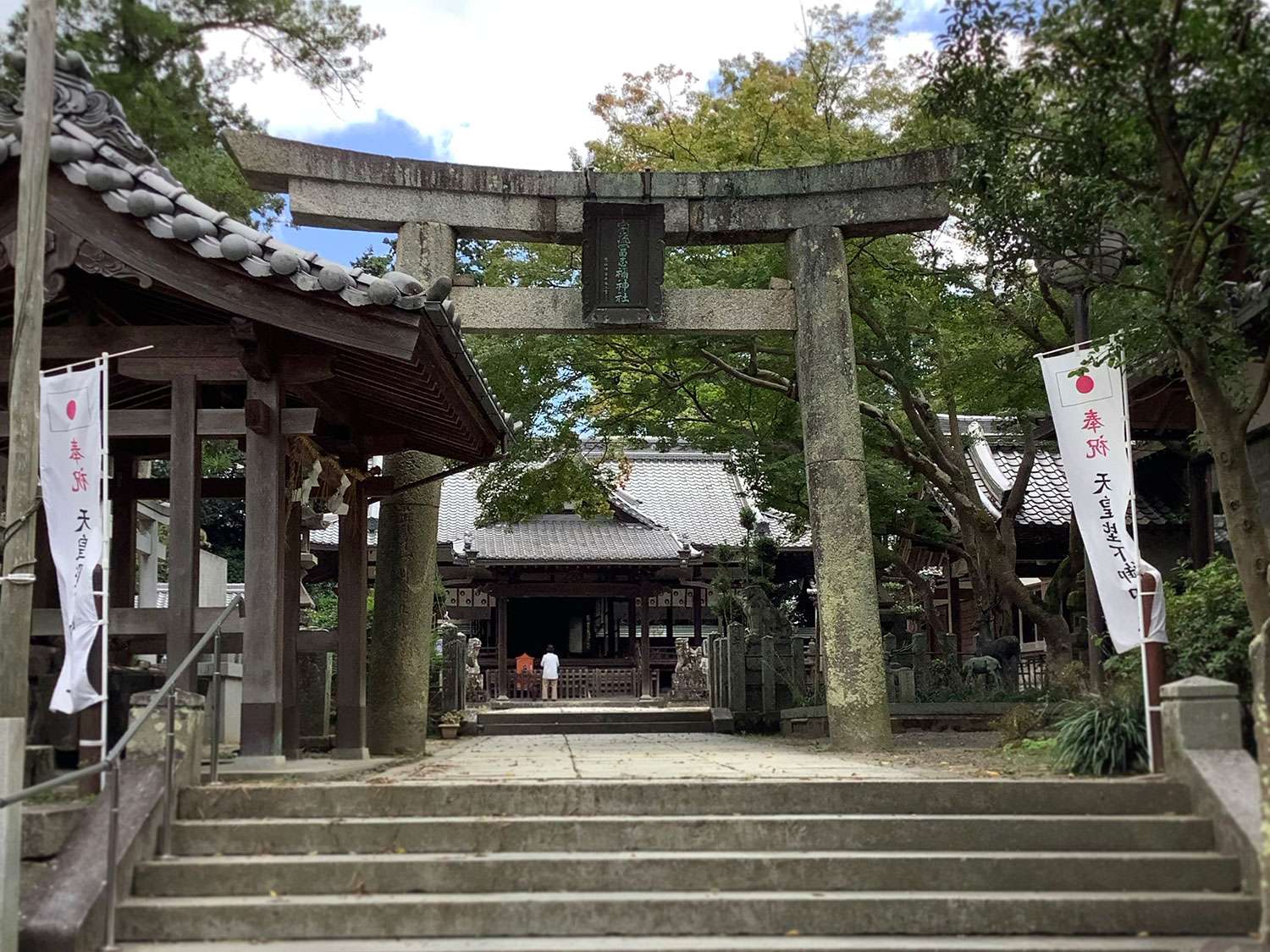
Located along the Nabari River in Mie Prefecture, Urufushine Shrine is a site with a very long and noble history. I read that there are records of Yamatohime visiting this very spot. As I listened to the gentle sound of the river, I imagined her standing here, gazing at the same scenery and wondering, “Is this the perfect place to enshrine the deity?”
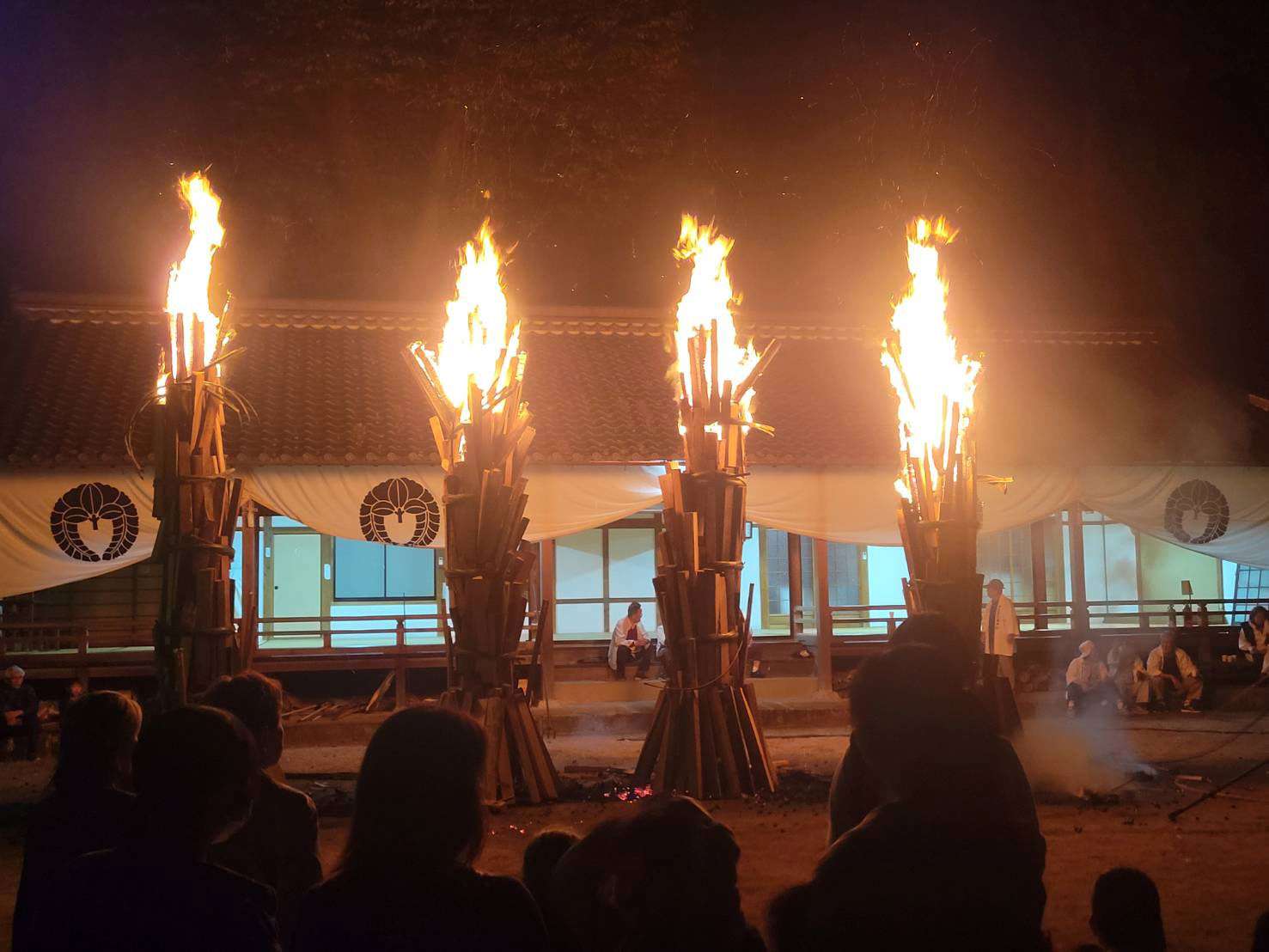
The shrine’s energy reaches its peak during the annual Autumn Festival, a tradition with nearly 400 years of history. During the festival, a procession with torches and lanterns winds through the town, and traditional lion dances are dedicated at the shrine. The following day, portable shrines (mikoshi) are paraded through the streets.
For the people of Nabari, Urufushine Shrine is a central part of their daily lives. It is a place where families gather to offer prayers, celebrate the healthy growth of their children, and pass down the city’s long history to the next generation.
Ebisu Shrine
From Urufushine Shrine, I took a walk westward along the Nabari River. After a five-minute stroll, I arrived at another one of Yamatohime’s stops: Ebisu Shrine.
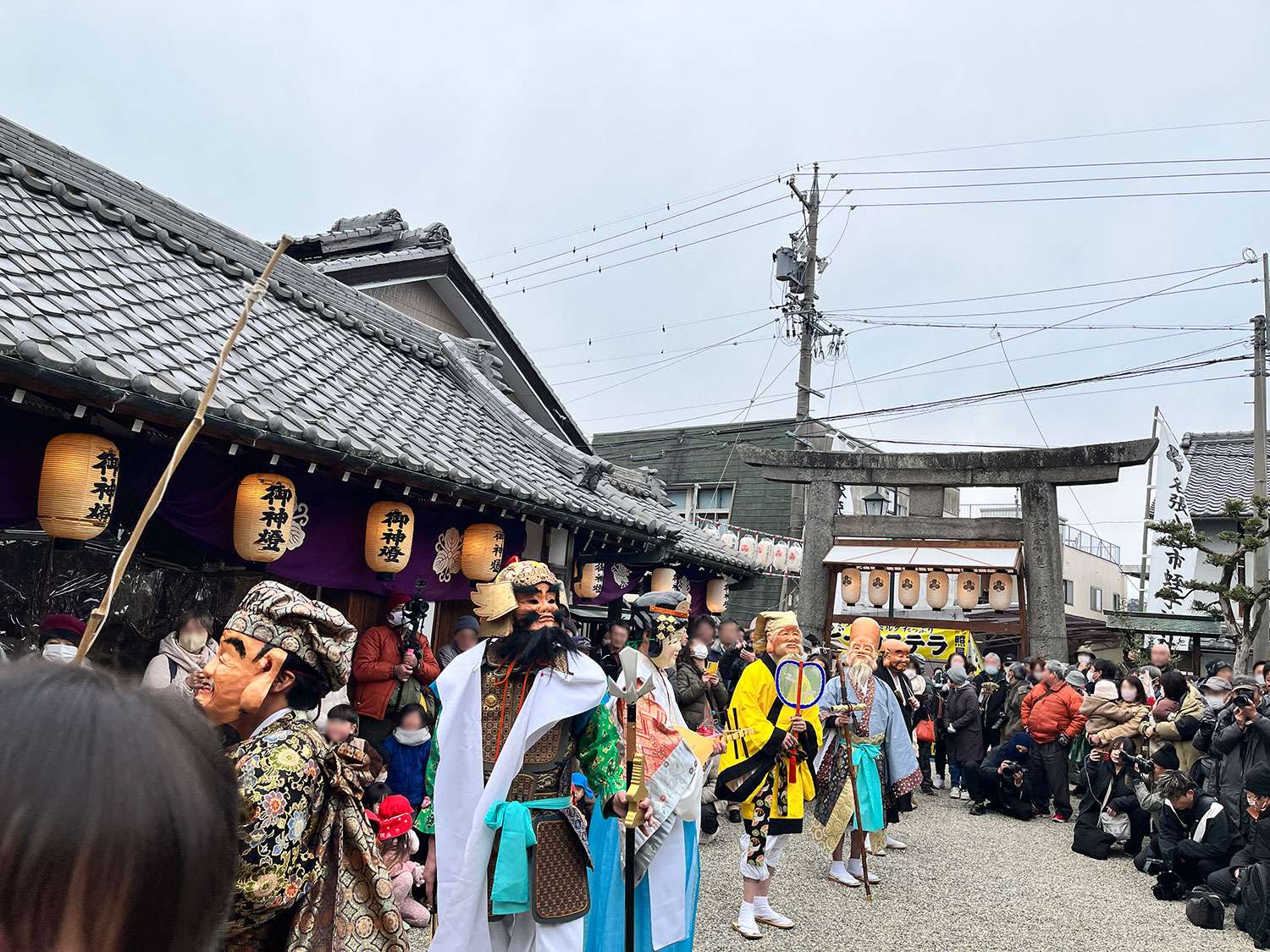
Although it’s a small shrine, it hosts a wonderful festival on February 8th to pray for success in business. People come to buy lucky charms and watch the “Seven Lucky Gods” dance. For the locals, this festival is a sign that spring is just around the corner, and I could really feel that sense of happy anticipation in the air.
From Nabari, I decided to take a more direct route by car toward Ise, rather than strictly following Yamatohime’s original path.
Finally, I’ve arrived at Ise Jingu
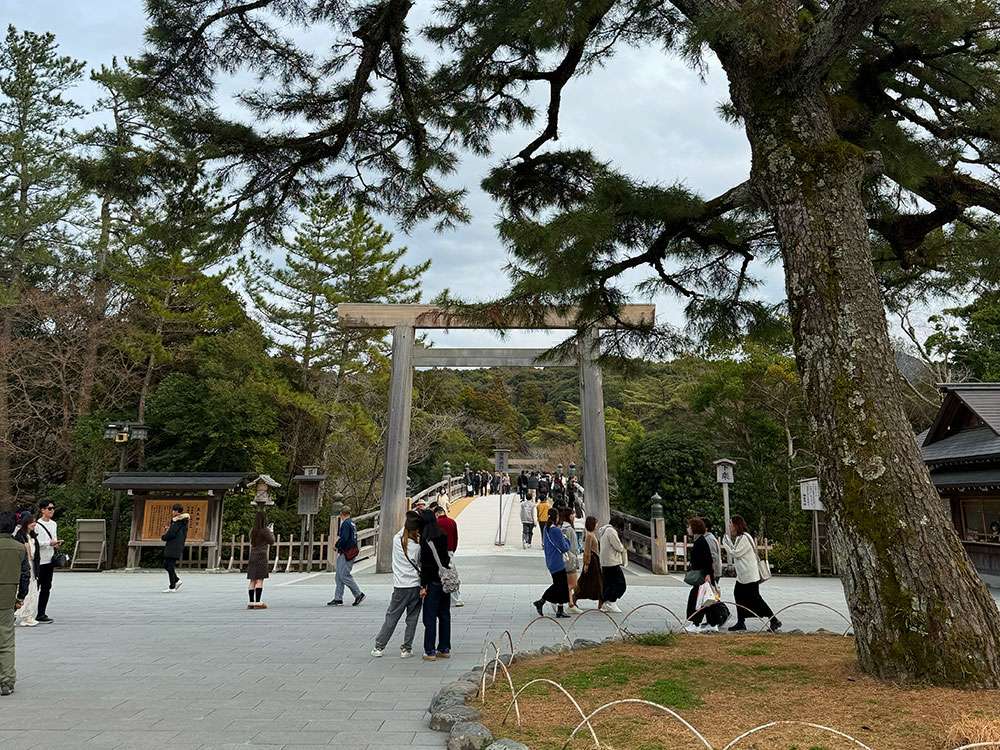
Ise Jingu consists of two main areas: the Outer Shrine (Geku) and the Inner Shrine (Naiku). It was Naiku, nestled along the banks of the Isuzu River, that Yamatohime finally chose as the permanent home for Amaterasu.
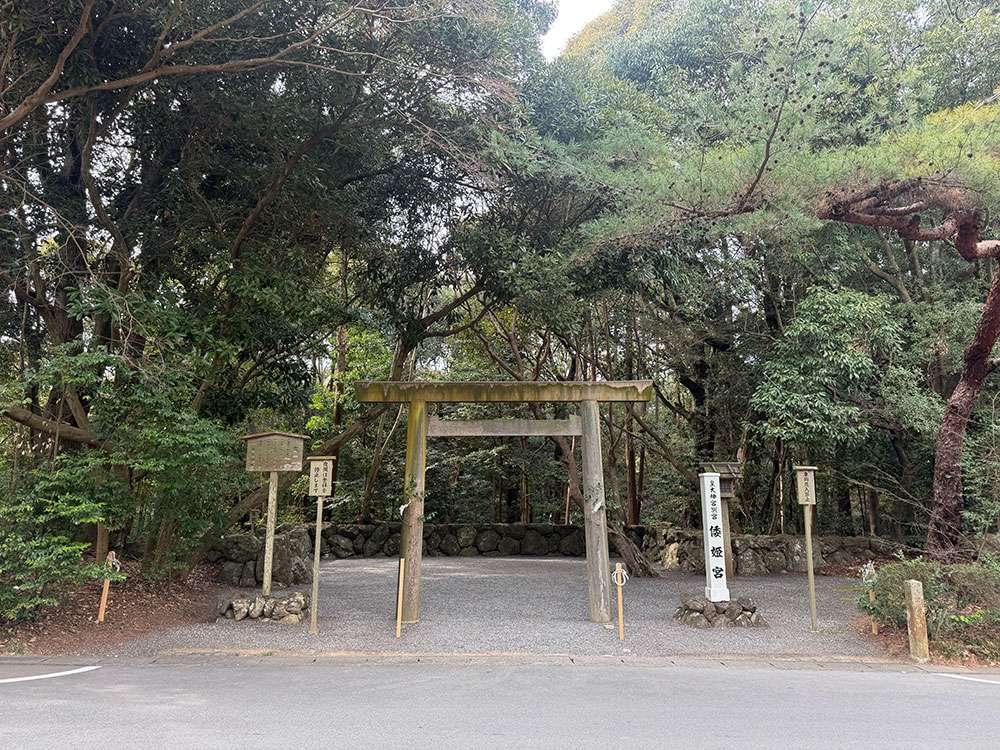
If you have time, I highly recommend visiting both, but please make sure to stop by Yamatohime-no-miya. This is an auxiliary shrine of Naiku dedicated to Princess Yamatohime herself. Located in a peaceful area known as the “Yamatohime Culture Forest,” its quiet and spacious atmosphere is the perfect place to unwind and let the fatigue of a long drive melt away.
- Aki Shrine (阿紀神社)
- 252 Ouda-Hasama, Uda City, Nara Prefecture
- Parking lot
- Shisha Shrine (四社神社)
- 2309 Sugano, Mitsue Village, Uda-gun, Nara Prefecture
- Mitsue Shrine (御杖神社)
- 1020 Kozue, Mitsue Village, Uda-gun, Nara Prefecture
- Parking lot
- Michi-no-Eki Ise Honkaido Mitsue (道の駅 伊勢本街道御杖)
- 6330 Kozue, Mitsue Village, Uda-gun, Nara Prefecture
- Himeshi Myojin (姫石明神)
- 3599 Kozue, Mitsue Village, Uda-gun, Nara Prefecture
- Parking lot
- Nabari Station (名張駅)
- 3225-3 Hirao, Nabari City, Mie Prefecture
- Urufushine Shrine (宇流冨志禰神社)
- 3319 Hirao, Nabari City, Mie Prefecture
- Parking lot
- Ebisu Shrine (蛭子神社)
- 97 Kaji-cho, Nabari City, Mie Prefecture
- Ise Jingu Naiku (伊勢神宮 内宮)
- 1 Ujitachi-cho, Ise City, Mie Prefecture
- Multiple parking lots are available near the site.
- Yamatohine-no-miya (倭姫宮)
- 5 kusube-cho, Ise City, Mie Prefecture
- Parking lot